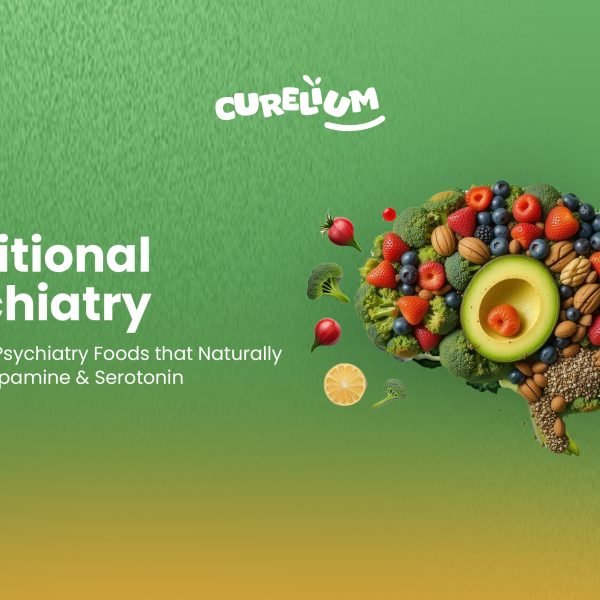
We often view mental health through therapy or medication but deep in the brain, two key messengers quietly shape how we feel: dopamine and serotonin. When they’re imbalanced, mood, motivation, and focus all suffer. The fascinating part? Nutrition plays a direct role in how these chemicals are produced.
The Biochemistry of Mood
- Dopamine drives reward and focus. It’s made from tyrosine, aided by nutrients like vitamin B6, iron, and magnesium.
- Serotonin calms and stabilizes mood. It comes from tryptophan, which needs carbohydrates for brain entry and B6 for conversion.
Your emotions are not just psychological they’re biochemical, shaped by what’s on your plate.
The Gut–Brain Connection
About 90% of serotonin is made in the gut. A healthy microbiome boosts tryptophan availability and lowers inflammation, while gut issues can block neurotransmitter production. Simply put: better digestion, better mood chemistry.
Nutritional Keys to Balance
- Protein variety: Provides both tyrosine and tryptophan—just balance it with carbs.
- Slow-release carbs: Help regulate dopamine and support serotonin synthesis.
- Micronutrients: Magnesium, zinc, iron, folate, and B-vitamins fuel neurotransmitter enzymes.
- Omega-3s: Improve receptor sensitivity and reduce brain inflammation.
- Polyphenols: Found in colorful plants; help preserve dopamine and serotonin.
Beyond Food
Lifestyle matters too. Morning protein supports dopamine for focus, while evening complex carbs aid serotonin and sleep. Light exposure, circadian rhythm, and stress all influence these systems.
The Future
Nutritional psychiatry is redefining mental health using food as therapy to enhance emotional resilience and reduce reliance on medication. The future of mood care may start not in a pill bottle, but on your plate.