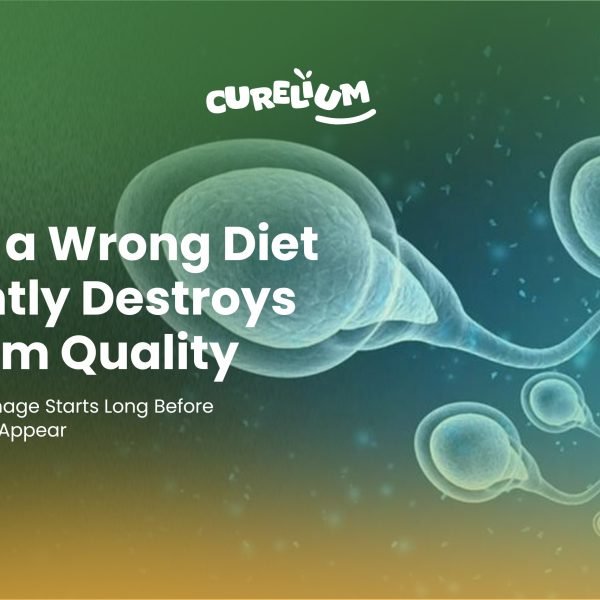
Sperm Damage Begins Long Before Symptoms Appear
Sperm cells are continuously produced, yet they are highly sensitive to metabolic and nutritional conditions. Their development depends on precise hormonal signaling, stable blood sugar levels, adequate micronutrient availability, and low oxidative stress.
A poor diet does not cause sudden infertility. Instead, it silently and progressively degrades sperm quality at the cellular level, often without visible symptoms until fertility testing reveals the damage.
Sugar: One of the Strongest Enemies of Sperm Health
Diets high in refined sugar and high-glycaemic foods repeatedly spike blood glucose and insulin. This metabolic stress disrupts testosterone regulation and increases oxidative damage in testicular tissue.
Scientific evidence links chronic hyperglycaemia with:
- Reduced sperm motility
- Lower sperm count
- Increased sperm DNA fragmentation
Excess sugar doesn’t just affect weight it directly damages reproductive potential.
Processed Oils Alter Sperm Cell Architecture
Sperm cell membranes are rich in fatty acids, which determine flexibility, movement, and fertilization ability.
Diets high in trans fats and oxidised vegetable oils replace healthy membrane lipids with unstable ones. This leads to:
- Reduced membrane fluidity
- Impaired sperm movement
- Decreased fertilization capacity
Poor fat quality affects sperm function, not just sperm number.
Nutrient Deficiency Weakens Sperm at Its Core
Micronutrients are essential for spermatogenesis. Deficiencies in zinc, selenium, folate, and B-vitamins interfere with:
- DNA synthesis
- Chromatin packaging
- Hormonal signaling
Low zinc reduces testosterone availability, while inadequate folate compromises genetic stability raising the risk of abnormal sperm formation.
Chronic Inflammation Creates a Hostile Reproductive Environment
Ultra-processed foods promote systemic inflammation, increasing oxidative stress in reproductive tissues. Inflammatory cytokines damage developing sperm and disrupt the blood-testis barrier, a structure critical for sperm maturation and protection.
Persistent inflammation quietly erodes sperm quality over time.
Visceral Fat Actively Suppresses Male Hormones
Poor dietary patterns increase abdominal (visceral) fat, which expresses aromatase enzymes that convert testosterone into estrogen.
As estrogen rises and testosterone falls:
- Sperm concentration declines
- Sperm production slows
This hormonal imbalance is diet-driven, not age-driven.
Poor Gut Health Reduces Nutrient Utilisation
Low-fiber, additive-rich diets damage gut integrity and disrupt the microbiome. Even when nutrients are consumed, absorption becomes inefficient, reducing availability to reproductive tissues.
Over time, this creates functional nutrient deficiency, despite adequate intake on paper.
The Cumulative Impact of a Wrong Diet
Long-term poor nutrition leads to:
- Reduced sperm count
- Poor motility
- Abnormal morphology
- Increased DNA damage
These changes develop silently and progressively, often discovered only during fertility evaluations.
Sperm Quality Is a Metabolic Indicator
From a scientific perspective, sperm health reflects overall metabolic stability and nutritional adequacy. It is not an isolated reproductive issue but a measurable biological response to long-term dietary patterns.
Correct nutrition does not artificially stimulate sperm it removes the metabolic and nutritional barriers that prevent the body from producing healthy sperm naturally.